FOOSH Injuries: What They Are and How Physiotherapy Can Help This Winter
Winter in Canada means icy sidewalks, slippery driveways, and fast-paced winter sports. Unfortunately, it also means a higher risk of FOOSH injuries—a common cause of shoulder, elbow, and wrist pain this time of year.
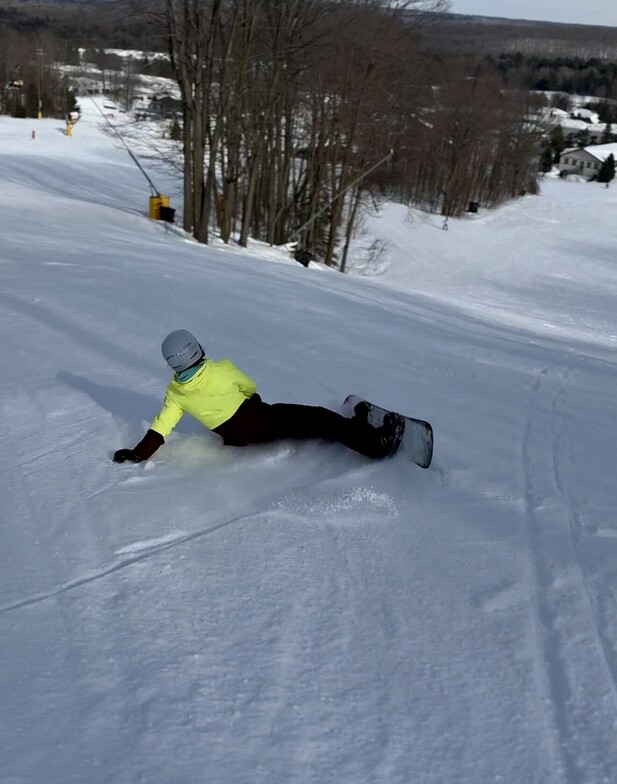
Whether you slipped on ice, took a fall while skating, or caught yourself during skiing or snowboarding, understanding FOOSH injuries can help you recover faster and prevent long-term issues.
What is a FOOSH Injury?
FOOSH stands for Fall On an Outstretched Hand.
It happens when you lose your balance and instinctively reach out with your hand to catch yourself. While it may prevent a more serious fall, the force that travels up the arm can injure several structures, especially the shoulder, elbow, and wrist.
Common shoulder injuries resulting from a FOOSH include:
● Shoulder sprains or strains (rotator cuff, deltoid, or capsule irritation)
● AC joint sprain (pain at the top of the shoulder)
● Labral irritation or tears from the traction force
● Shoulder instability or subluxation episodes
● Upper arm fractures (less common but possible depending on the fall)
You may notice pain when lifting your arm, reaching overhead, dressing, lying on the affected shoulder, or carrying objects. Some people also feel weakness or a “catching” sensation.
Why FOOSH Injuries Affect the Shoulder
When you reach out during a fall, the impact force travels through the wrist and elbow and often ends at the shoulder, which is the most mobile—but also the least inherently stable—joint in the body.
That sudden load can stress:
● The rotator cuff, which works to stabilize the shoulder
● The joint capsule and ligaments, which prevent excessive motion
● The AC joint, which absorbs compressive forces
● The labrum, which deepens and stabilizes the shoulder socket
Even if the fall feels “minor,” underlying irritation can create pain days or weeks later if not treated properly.
Signs You May Have a FOOSH-Related Shoulder Injury
You may benefit from physiotherapy if you experience:
● Shoulder pain that does not improve after a few days
● Difficulty lifting your arm or rotating it
● Weakness with reaching or carrying
● Pain at night or when lying on the shoulder
● Clicking or catching sensations
● Swelling or tenderness at the AC joint
● Loss of range of motion If symptoms worsen, or if there is significant swelling or inability to move the arm, an assessment can help determine whether imaging or referral is needed.
How Physiotherapy Can Help
At Striowski & Associates Physiotherapy in North York, our physiotherapists are trained to assess and treat FOOSH-related injuries affecting the shoulder—from mild strains to more complex joint or soft tissue involvement.
Your physiotherapy care may include:
Comprehensive Shoulder Assessment: A detailed evaluation of your shoulder, rotator cuff, AC joint, posture, and scapular mechanics to determine the exact source of pain.
Manual Therapy: Hands-on techniques to reduce joint stiffness, improve movement, and decrease pain.
Targeted Exercise Therapy: Progressive exercises to restore mobility, rebuild strength, and improve shoulder stability—especially important after a FOOSH to prevent lingering weakness.
Scapular & Postural Retraining: Since shoulder stability depends heavily on proper shoulder blade positioning, physiotherapy includes retraining the surrounding muscles for optimal movement.
Soft Tissue Treatment: Techniques such as massage, mobilization, and stretching to reduce muscle guarding or tension.
Education & Return-to-Activity Planning: Guidance on how to safely return to winter sports, gym workouts, or daily tasks without re-injury. Early physiotherapy can dramatically reduce recovery time and prevent chronic shoulder problems from developing.
Preventing FOOSH Injuries This Winter
While not all falls are avoidable, you can reduce your risk by:
● Wearing proper winter footwear
● Using ice grips when sidewalks are slippery
● Keeping your hands out of your pockets for better balance
● Training balance, lower-body strength, and reflexes
● Maintaining shoulder and wrist strength for fall resilience
Take Care of Your Shoulder This Winter
FOOSH injuries are common—but they don’t have to limit your daily life or sports. With proper assessment and treatment, most people make a full recovery and return to their activities pain-free. If you slipped, fell, or are noticing new shoulder pain this winter, our physiotherapists at Striowski & Associates Physiotherapy can help. Call 416.490.0449 or email info@striowskiphysio.com We’re located at Leslie & Sheppard in North York, and offer in-person care and complimentary 10-minute phone/video calls with one of our physiotherapists to see if we can help.
PS: Follow us on Facebook or Instagram @striowskiphysio for more health info and physiotherapy tips!